
Furnished vs. Unfurnished: What’s Best For Letting Property In Edinburgh?

When preparing a residential property for letting in Edinburgh, one of the most important decisions a landlord must make is whether to present the property as furnished or unfurnished. While both options have their merits, the choice can significantly influence the type of tenants attracted, the rental yield, and the overall ease of management.
Here we’ll explore the pros and cons of each approach, with a particular focus on the Edinburgh rental market, and why—more often than not—furnished properties tend to be the preferable choice.
Understanding The Edinburgh Tenant Profile
Edinburgh’s rental market is diverse, but a significant portion of demand comes from young professionals, graduates, and early-career workers. These tenants typically fall into the 22–35 age bracket and are often in transitional life stages—starting new jobs, forming relationships, or relocating for career opportunities.
The other large market segment is Edinburgh’s large student population, estimated at over 100,000 during term time, which is about a quarter of the city’s total residents.
For this demographic, flexibility is key. Tenancy lengths tend to range from two to four years, after which tenants may move due to graduation, job changes, relationship developments, or simply a desire for a different living environment—perhaps a larger flat, a different neighbourhood, or a more convenient location.
The Case For Furnished Properties
Pros
Furnished properties offer several advantages for landlords:
- Wider Market Appeal: Furnished properties appeal to a broader tenant base, especially those who are relocating or do not yet own furniture.
- Convenience for Tenants: Most students and young professionals do not own a full inventory of furniture. Furnished flats eliminate the burden of acquiring and moving large items.
- Shorter Voids: Furnished properties are in higher demand and tend to let more quickly, reducing void periods.
- Higher Rent (Slightly): Furnished properties typically command around 10% higher rent than unfurnished ones.
- Lifestyle Fit: A well-furnished flat with essential, neutral, and good-quality items allows tenants to personalise the space.
Cons
There are very few disadvantages involved in letting a furnished property, but landlords should expect the following:
- Cost: Landlords are responsible for buying suitable and safe furniture.
- Maintenance: If an item of furniture breaks or wears out, the landlord needs to be aware and replace it quickly.
- Inventory: Landlords need to prepare an inventory of all the items in the property and check it before and after tenancies.
What Should Be Included In A Furnished Property?
Landlords often overestimate what’s required in a furnished property. In reality, tenants are looking for the essentials, not excess:
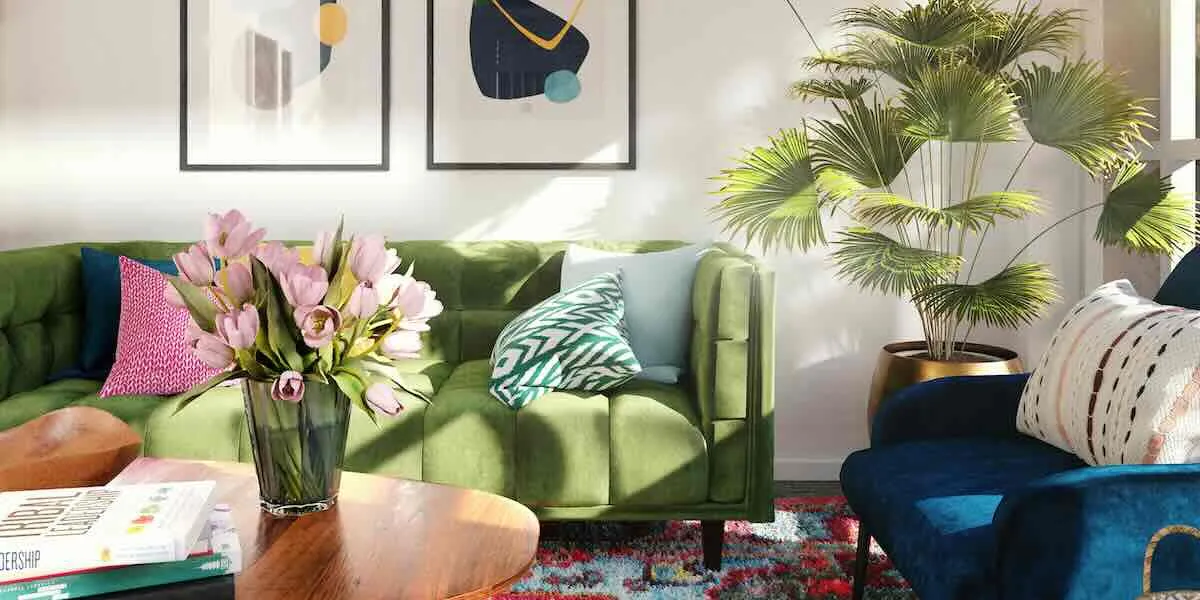
Living Room: Sofa, coffee table, dining table and chairs
Bedrooms: Bed, wardrobe, bedside cabinet, chest of drawers
Kitchen: Kettle, toaster, microwave
Tenants prefer to bring their own smaller items—lamps, rugs, artwork, cushions—to personalise the space. Over-furnishing can make a property feel cluttered and impersonal.
All furniture must meet current fire safety standards and be in clean, working, and presentable condition. This is not just a legal requirement but also a key factor in tenant satisfaction and retention.

The Case For Unfurnished Properties
Pros
Unfurnished properties also have their advantages:
- Attracts Long-Term Tenants (Sometimes): Some tenants may prefer to use their own furniture and are more likely to stay longer.
- Lower Upfront Costs for Landlords: No need to purchase, maintain, or replace furniture.
- Less Wear and Tear: With no landlord-supplied furniture, there’s less risk of damage or disputes.
Cons
However, there are notable drawbacks:
- Narrower Market: Most tenants in Edinburgh do not own a full set of furniture, limiting the potential tenant pool.
- Longer Voids: Unfurnished properties can take longer to let.
- Tenant Turnover Still Happens: Even tenants who bring their own furniture may only stay for a few years.
Inventory Ownership: A Barrier For Tenants
Most prospective tenants do not own the kind of inventory required to furnish a flat. Items like beds, wardrobes, and dining tables are bulky, expensive, and difficult to move. For tenants who relocate every few years, owning such items is more of a liability than an asset.
Moreover, tenants are increasingly prioritising lifestyle flexibility. They want to move easily, without the hassle of hiring vans, arranging storage, or selling furniture. Furnished properties support this lifestyle, making them more attractive to the modern renter.
Furnished Is Often The Smarter Choice
While there are valid reasons to let a property unfurnished, the Edinburgh market strongly favours furnished flats, particularly for properties targeting young professionals and transient tenants such as students.
The 10% rent premium may not seem substantial, but when combined with shorter voids, higher demand, and greater tenant satisfaction, the benefits of furnishing your property become clear.
Just remember:
- Keep it simple.
- Stick to the essentials.
- Ensure everything is clean, safe, and in good condition.
By doing so, you’ll appeal to a wider audience, reduce turnover, and maximise your property’s potential in a competitive market.